

Work from home in arts and entertainment is becoming a realistic career path for working artists and entertainers, freelance creatives, and career-switchers with a portfolio who want more control over schedule and income. Traditional gigs can be inconsistent and location-bound, but remote careers in arts and entertainment are growing because more of the creative pipeline now happens online, from concept to delivery to audience. The challenge is separating real work-from-home opportunities from vague “exposure” offers while still building credibility without a local scene. With the right expectations, home-based creative work can look like paid creative output, client services, or digital performances that travel farther than a single venue.

Photo by Antoni Shkraba / Pexels
Understanding Remote Paths in Arts and Entertainment
Work from home in arts and entertainment is not one job; it is a set of income categories you can mix and match. Think in three lanes: digital art jobs where you deliver creative assets, online entertainment careers where you build an audience and get paid through platforms, and freelance art opportunities where clients hire you for specific outcomes. Many of these paths fit people because digital artists are curious, imaginative, creative, and comfortable with technology.
This matters because each lane has a different way to get paid, a different timeline, and a different risk level. When you can name the category you are pursuing, you can set clearer rates, pick the right platforms, and avoid “exposure” deals that do not lead anywhere.
For example, an illustrator might take a part-time contract designing game UI, sell digital prints, and perform live drawing on a virtual stage with tips. The skills overlap, but the business models are different, so planning gets easier. With your lane chosen, defining an offer and pitching warm leads becomes a simple weekly habit.
Land Your First Clients With a Simple Outreach Plan
Once you know which remote paths fit your skills, the next challenge is getting your first paying clients. Start simple: network with people you already know, former collaborators, classmates, local arts groups, and online communities, and let them know exactly what you offer. To reduce friction, consider offering a small discount for new customers so someone can try you with lower risk. At the same time, study your competitors: what services they highlight, how they price, and how they describe results, then tighten your own pitch. Many creatives find that client-finding tactics make outreach feel less random and more repeatable. For more practical ideas on finding and attracting customers, see this guide on 18 Ways to Find Customers.
Build Your Remote Creative Career
This process helps you go from “I’m creative” to “I get paid remotely” by lining up gigs, marketing, monetization, and a home setup that supports consistent output. For general readers, the goal is clarity: fewer random actions, more focused steps you can repeat each week.
- Define one offer and one target client.
Start by choosing a single service you can deliver in 7 to 14 days, such as album cover design, voiceover for short ads, video editing for creators, or social media illustrations. Write a two-sentence pitch that says who it’s for, what you deliver, and what problem it solves. A narrow offer is easier to sell, price, and fulfill without burnout. - Build a “proof pack” and a simple profile.
Create 3 to 6 samples that match the work you want, even if they are self-assigned projects. Put them in one place with a clear contact method, your service list, and starting prices so someone can say yes quickly. This turns your marketing from “trust me” into “here’s what I can do.” - Find gigs in three channels, every week.
Pick three sources and rotate: a freelance marketplace, a community where your clients hang out, and direct outreach to small brands or creators you genuinely like. Send a small number of tailored messages that reference their work and propose one specific deliverable. Track who you contacted, when to follow up, and the outcome so the system improves over time. - Choose two monetization methods and set pricing rules.
Pair one client service with one scalable option, such as prints, digital downloads, licensing, or an online shop that showcases your work like a gallery. Create pricing guardrails, including a minimum project fee, two package tiers, and a clear revision limit. This protects your time while giving buyers an easy way to choose. - Set up a focused home workspace with boundaries.
Pick one dedicated spot and set it up for fast starts: the tools you use daily, reliable lighting, and a tidy surface you can reset in five minutes. Define working hours and a shutdown routine so home does not feel like “always on.” If you invoice, save files, and plan your next task at the end of each session, tomorrow’s work begins smoothly.
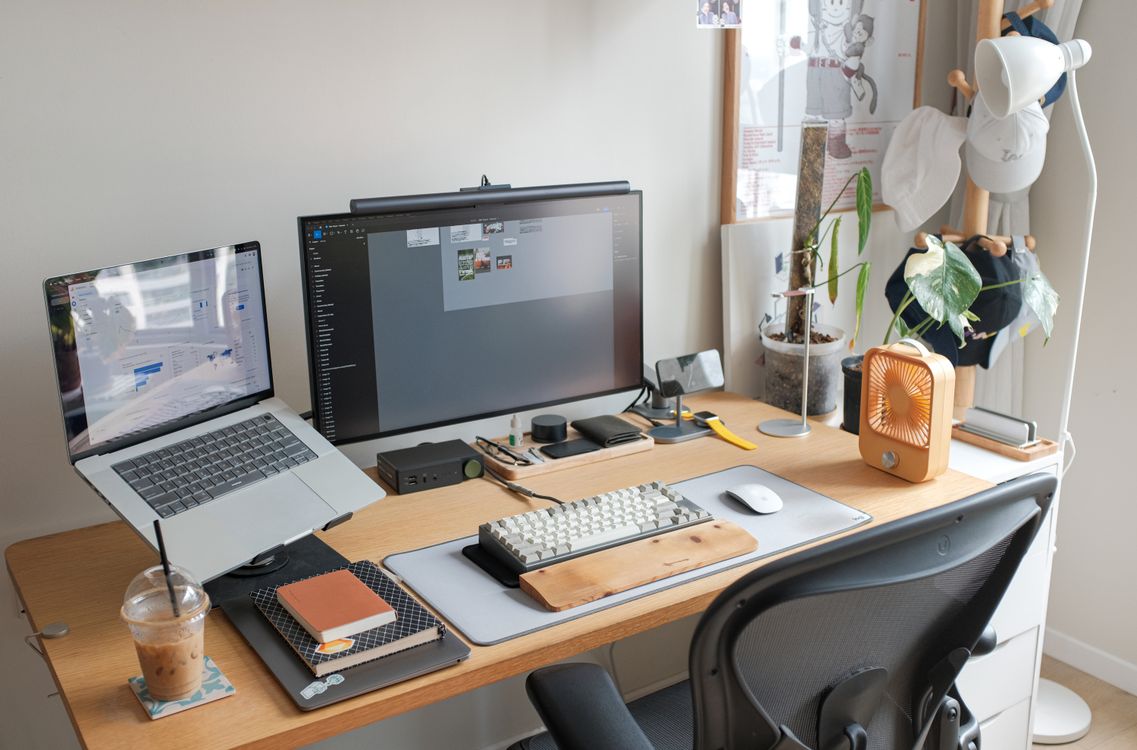
Photo by Huy Phan / Pexels
Work-from-Home Creative Career FAQs
How do I manage my time when inspiration is unpredictable?
Treat creativity like a two-part job: production hours and exploration hours. Use a simple daily plan: one paid task, one marketing task, and one “creative refill” task. Time management can be defined as the ability to manage ourselves so you can protect your best energy, not force it.
What can I do this week when I hit a creative block?
Reduce the stakes and increase the reps. Set a 20-minute timer and create three rough variations, then pick one to refine. If you are stuck, switch mediums for one session, such as sketching instead of editing.

Photo by Thirdman / Pexels
How do I stay productive at home with constant distractions?
Start with a 10-minute “desk reset,” then work in 45-minute focus sprints with a 10-minute break. Keep your phone in another room and write the next action on a sticky note before each sprint.
Can I really be effective without an office or team around me?
Yes, and it is common. A Stanford SIEPR study found that 42 percent of U.S. workers work from home full time, so you are building skills many professionals rely on. Create light accountability by sending one weekly progress email to a friend or peer.
How do I balance client work and personal life when both happen at home?
Set a hard stop time and a shutdown ritual: invoice, back up files, and write tomorrow’s first task. Use one physical cue, like turning off your work lamp, to signal you are done.
Build Remote Creative Work by Taking One Consistent Next Step
Working from home in arts and entertainment can feel like a constant tradeoff between freedom and focus, especially when motivation dips or routines break. The way through is a simple mindset: treat home-based arts careers like a professional practice built on repeatable habits, clear boundaries, and steady iteration. Do that, and creative career motivation stops depending on mood, making room for remote work success stories and building sustainable freelance careers over time. Consistency turns creative skill into dependable income.